What Does a Balanced Meal Actually Look Like?
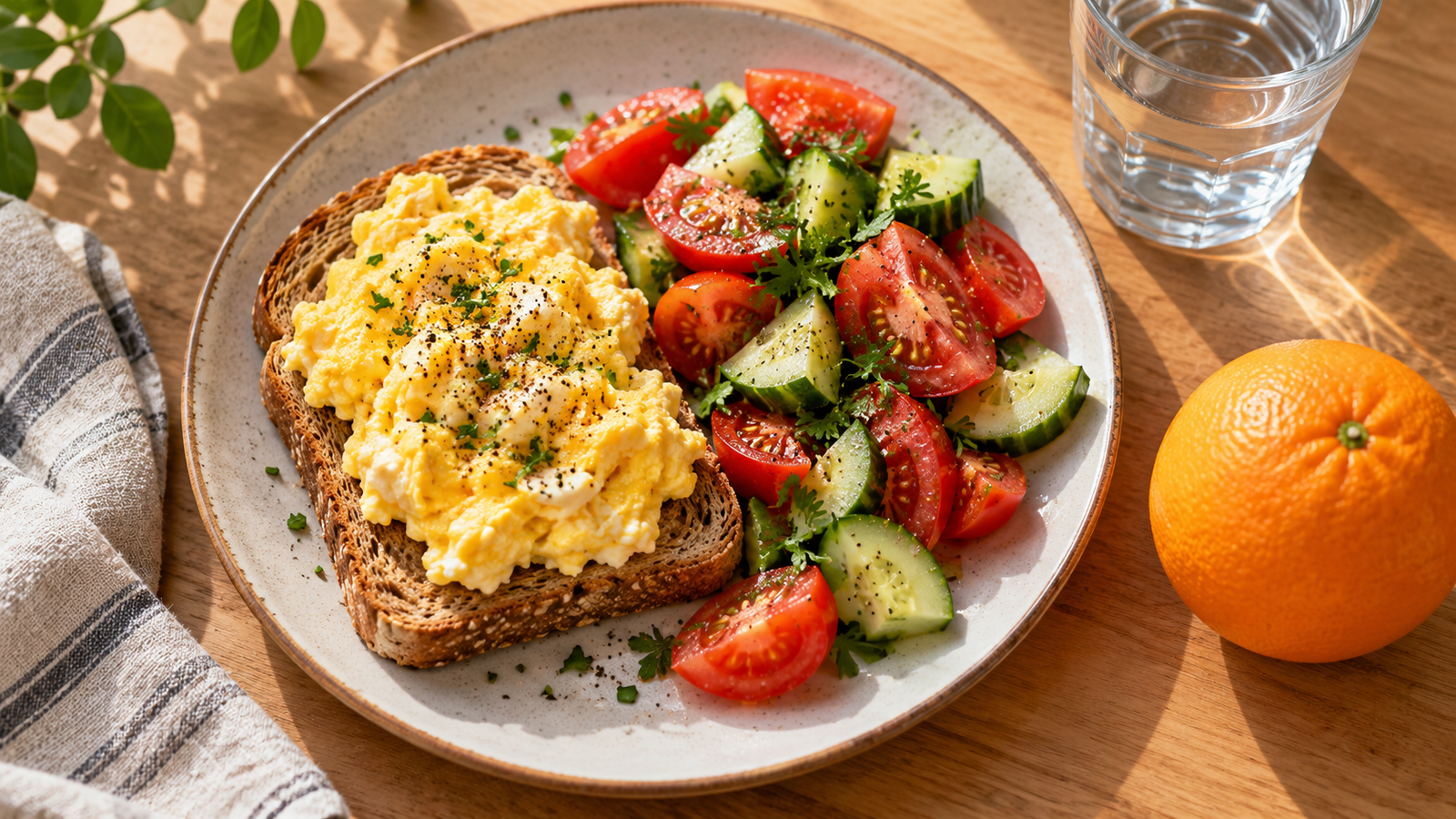
Eating well becomes easier when you can picture what to put on your plate. Here’s a practical guide, with everyday meals you can make your own.
It’s lunchtime. You have leftover rice, a couple of eggs and some tomatoes in the fridge. Is that a healthy meal? Should you skip the rice? Add something green? Find a recipe with more ingredients?
Nutrition advice can turn an ordinary lunch into a complicated decision. A simple visual guide can help you put a meal together without calculating every mouthful.

Start with a picture of your plate
Harvard’s Healthy Eating Plate suggests a useful starting point: roughly half vegetables and fruit, a quarter whole grains and a quarter healthy protein. It also encourages healthy oils and water. These proportions are a guide, rather than a precise prescription.
For a savoury lunch or dinner, that might mean plenty of vegetables, some brown rice and a portion of fish, beans or chicken, with fruit alongside or later.
Here’s how to turn the idea into something you would actually want to eat.
Give vegetables a proper place
Start by choosing the vegetables, then build around them. Think roasted peppers, crunchy cucumber, sautéed spinach or carrots cooked into a stew.
For that rice-and-eggs lunch, you could chop the tomatoes with cucumber and lemon, or stir frozen vegetables into the rice as it heats.
Vegetables can be cooked, raw, fresh, frozen or canned. The NHS includes all these forms in its healthy-eating guidance, so you have options beyond buying fresh produce every few days.
Choose a protein you enjoy
Harvard’s guide highlights beans, fish, poultry and nuts among its protein choices. Eggs, lentils and tofu offer other practical ways to vary your meals.
You could try:
- Chickpeas tossed with roasted vegetables.
- Eggs with toast and tomatoes.
- Tofu stirred into a vegetable noodle bowl.
- Chicken served with rice and salad.
Keep a few convenient options available so choosing a protein doesn’t become another cooking project.
Keep room for carbohydrates
Bread, rice, pasta and potatoes can all fit into a balanced diet. The NHS recommends choosing wholegrain or higher-fibre versions where possible.
Try wholemeal toast with your eggs, brown rice in a bowl or wholewheat pasta with tomato sauce. Choose something you enjoy and can prepare regularly.
Make it taste good
A meal you look forward to is easier to repeat. Try lemon and olive oil on salad, herbs in rice, a spoonful of tahini dressing over roasted vegetables or toasted seeds scattered on a bowl.
Healthy eating leaves plenty of room for flavour. Use familiar seasonings and adapt the ingredients to your budget and cooking style.
Three meals to try
These are suggested combinations, ready to adjust to your appetite and preferences.
| Meal | Put it together |
|---|---|
| The quick lunch | Wholemeal toast, eggs, sliced tomatoes and cucumber, with a piece of fruit. |
| The cupboard dinner | Chickpeas simmered with canned tomatoes and spinach, served with brown rice. |
| The family tray bake | Chicken or tofu, peppers, courgettes and onions, served with wholemeal couscous and lemon dressing. |
Mixed dishes count, too. A soup, curry or sandwich doesn’t need separate compartments. Think about what goes into it and what might work alongside it.
Look beyond one meal
Breakfast may look different from dinner. Some days, lunch will be whatever you can manage between appointments.
The NHS advises aiming for balance across a day or even a week, so every meal doesn’t have to contain everything.
At your next meal, start with what you already have. Choose a vegetable or fruit, a protein and a carbohydrate, then add the flavours you enjoy. That leftover rice, those eggs and a few tomatoes are a perfectly workable place to begin.